The Power of Touch in Elderly Care: More Than Just a Gesture
Published: 22/12/2025
In the fast-paced, digital era we live in, it can be easy to forget the value of something as simple as human touch.
For many older adults, particularly those who live alone or receive care at home, physical touch can have a massive impact.
At Right at Home Salisbury & Andover, we understand that caring for the whole person means paying attention not just to practical needs, but also to emotional wellbeing, and touch plays a vital role in that.
A Silent Language of Care
Touch is often called the first sense we develop and the last to fade. It's a deeply human way to connect. Whether it's a gentle hand on the shoulder, assistance with walking, or simple holding hands during a chat, these small gestures help our Clients feel seen, safe, and valued.
For those living with memory loss or communication difficulties, such as dementia, touch can be especially powerful. When language becomes limited, a warm hand can speak volumes.
Why Touch is so Important for Older Adults
As people age, they often experience a decrease in physical contact. Friends may no longer be around and children may live far away. Despite these changes, the human need for connection remains just as strong.

Touch can help to:
Reduce feelings of loneliness and isolation
Touch provides a sense of connection, reminding someone they are not alone.
Relieve anxiety and stress
Physical contact stimulates the release of oxytocin which helps calm the nervous system and reduce cotrisol levels (your stress hormone).
Support emotional wellbeing
A simple, caring touch can improve mood and offer reassurance during moments of worry, confusion, or sadness.
Ease physical discomfort
Gentle massage or supportive touch can help soothe aches and improve circulation.
A Personal Approach to Care
At Right at Home Salisbury & Andover, our Carers are trained to understand not just how to provide practical support, but how to connect with each individual Client in a meaningful way. That includes knowing when and how to use touch appropriately.
We respect every Client's personal boundaries. Some people enjoy holding hands or receiveing a comforting hug, whilst some may prefer less physical contact. We always take time to get to know each Client, their preferences, and their comfort level.
The Role of Touch in Dementia Care
Touch can be a lifeline for people living with dementia. As the condition progresses and verbal communication becomes more difficult, physical gestures often become a primary way to offer comfort and connection.
A clam, reassuring touch on the arm can reduce agitation. Sitting close and holding hands can bring familiarity and peace. In many cases, touch helps to bridge the gap between the person and the world around them.
At Right at Home Salisbury & Andover, we work closely with families to ensure each Client living with dementia receives compassionate, person-centred care that includes the power of touch when it's welcomed, consented and beneficial.
Everyday Moments That Matter
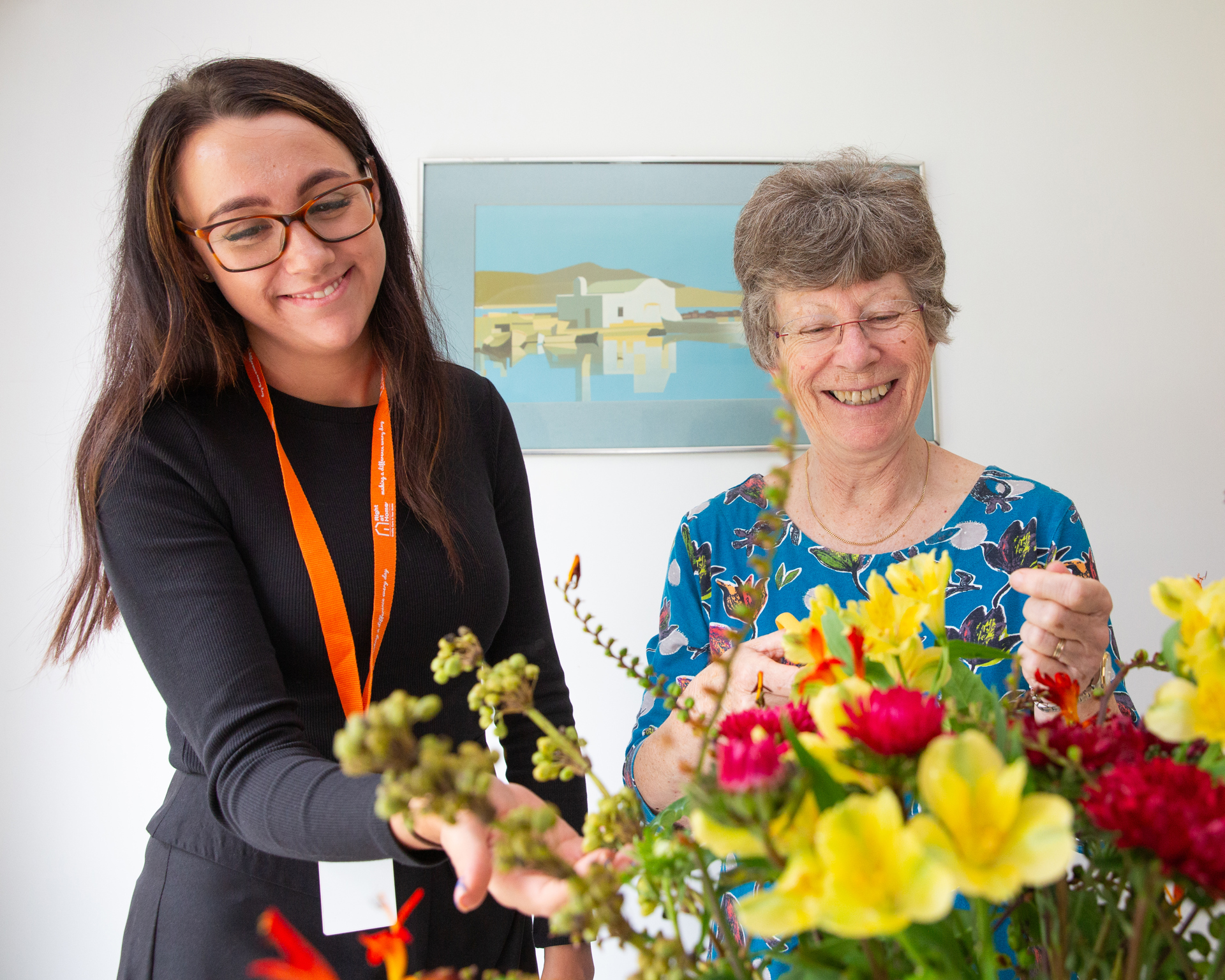
In home care, physical touch naturally forms part of many daily tasks, helping dressing, supporting movement, assisting with bathing. But beyond the practical, these moments can also be opportunities for gentle connection.
When done with patience, respect, and kindness, everyday tasks become more than just routines. They become moments of care, dignity, and reassurnace.
Could your loved one benefit from gentle, compassionate care at home?
We're here to help. Our friendly team of Carers provide support that respects dignity and encourages wellbeing.
Let's talk about how we can help your loved one feel more connected, cared for, and confident at home.