Palliative Care in a Care Home – What Families in Central London Should Know
Published: 17/03/2026
When your loved one reaches the final stage of an illness, your priorities will likely change. You may want to provide them with a quieter, more private setting than a hospital can offer. At this stage, it’s more important to ensure that they can stay comfortable while being treated with the same care and respect, they’ve always valued.
Palliative care in a care home can provide structured support during this time, but it is not the only option available. You may also consider end-of-life care at home, which can often feel more tailored to the individual, with routines and surroundings that are familiar and care that adapts more easily to their preferences and pace.
In this guide, we’ll help you understand how these options compare, so you can make the right decision for your loved one in Central London.

What makes palliative care at home different from palliative care in a care home?
Palliative care at home allows your loved one to remain in a place where they feel secure and understood, surrounded by familiar memories and routines. This environment often brings a sense of peace that can be difficult to achieve in more clinical settings or in a care home that offers palliative support.
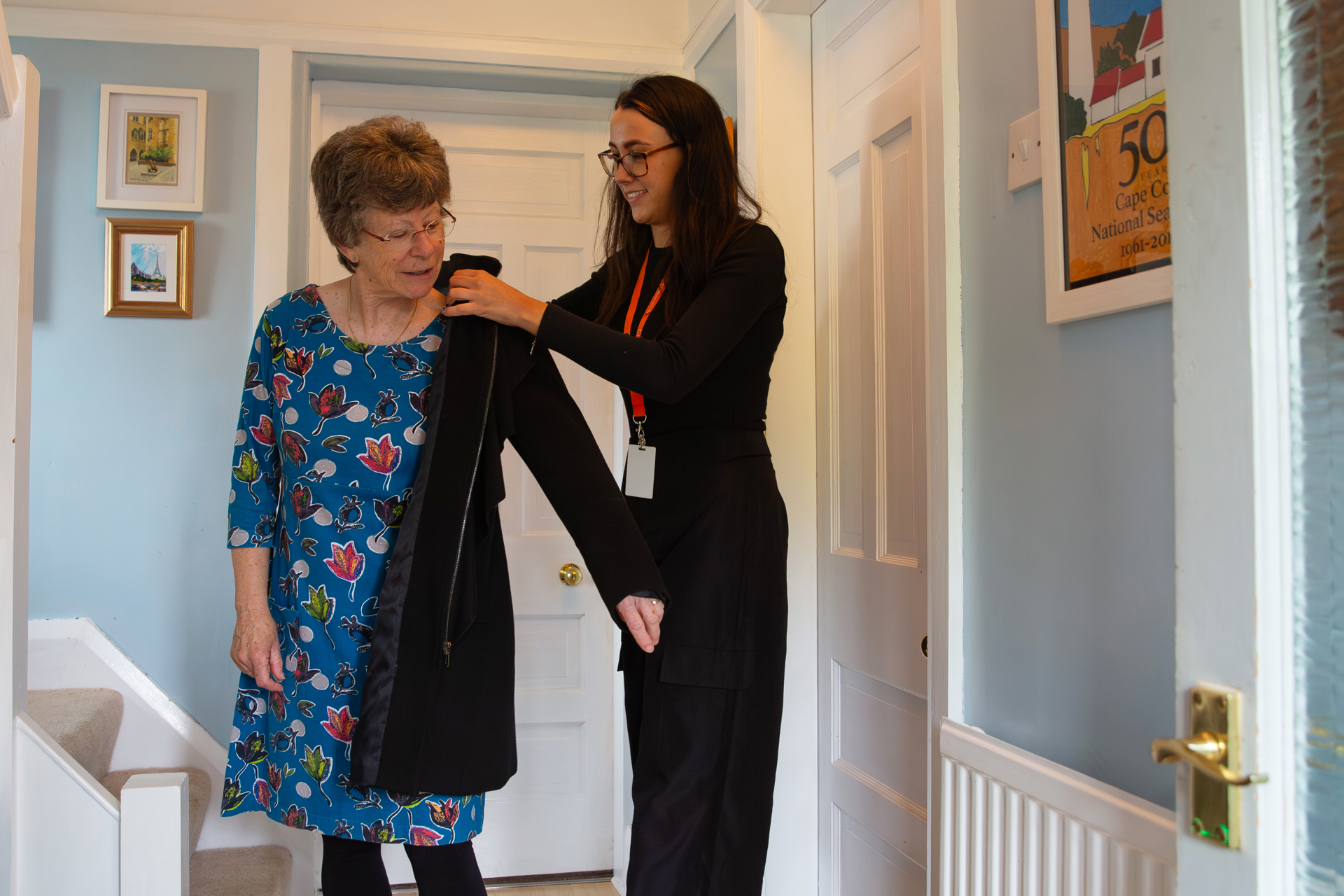
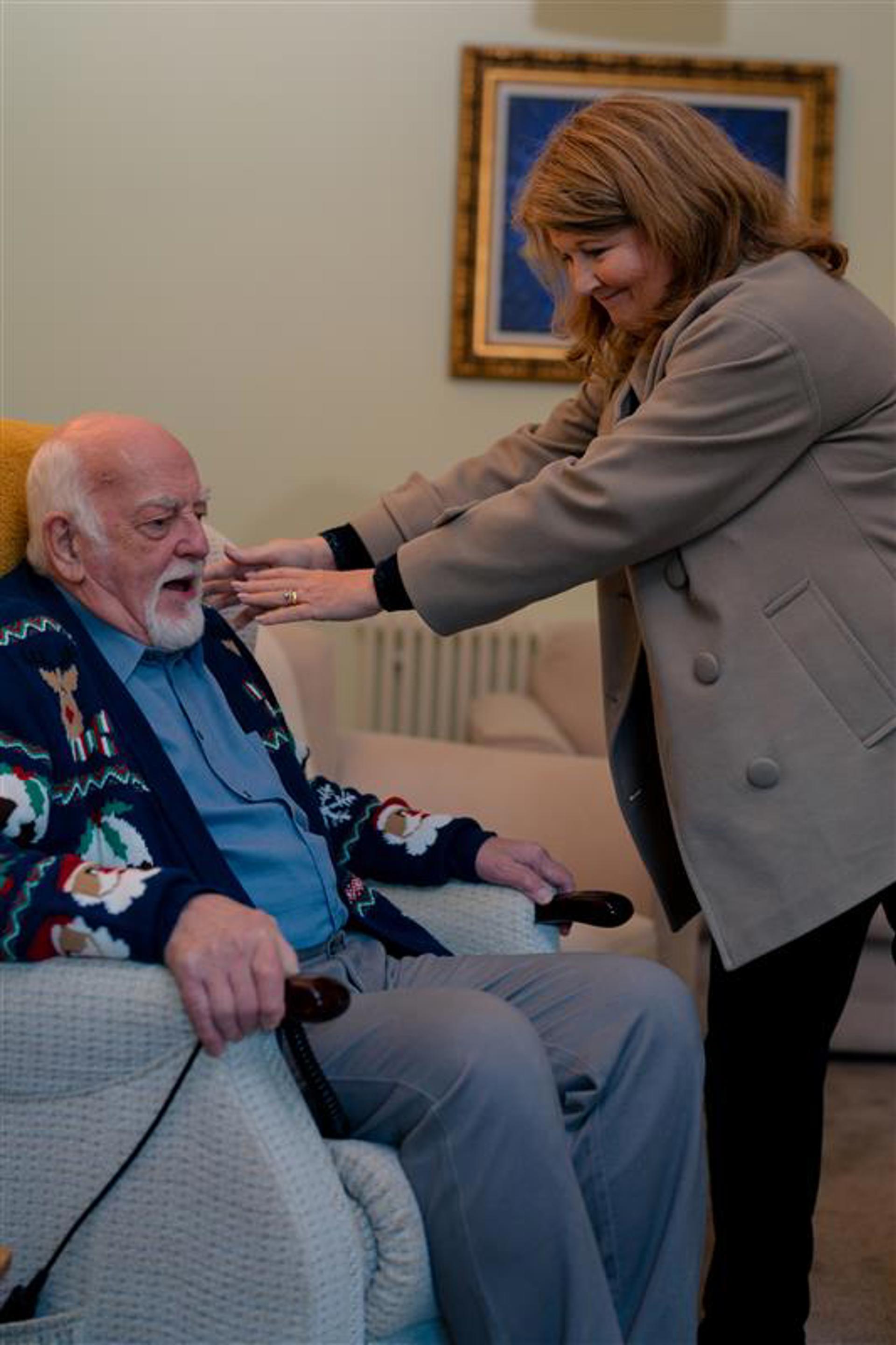
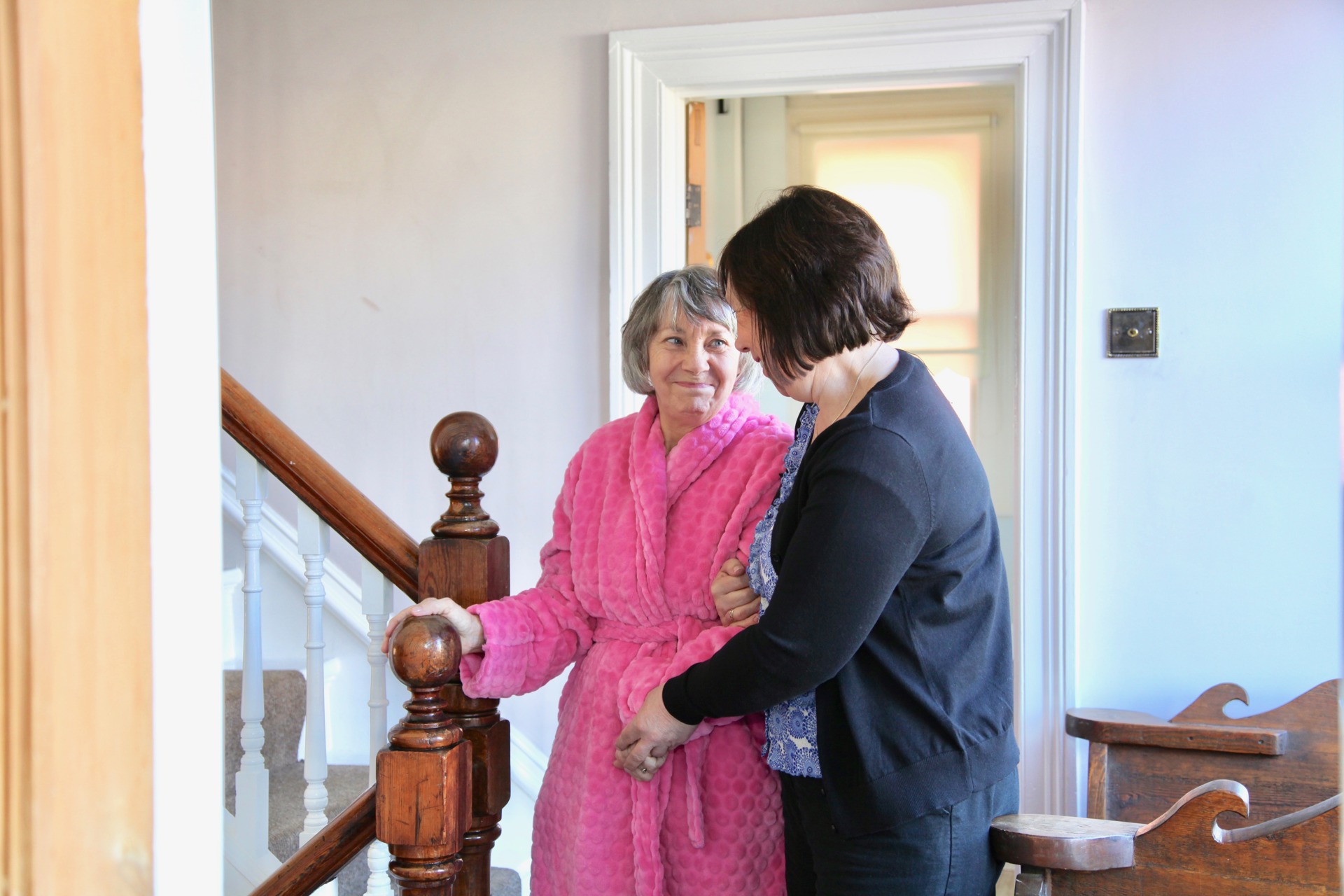
At Right at Home Central London, our CareGivers provide personalised, one-to-one assistance focused on maintaining your loved one’s comfort and dignity. Our care plans reflect your loved one’s wishes and can include visiting care or full-time live-in support, depending on what feels right for them and your family.
What are the benefits of palliative care at home?
More time together
Home-based care allows you and your loved one to spend meaningful time together with the rest of the family, without restrictions. You can be present when it matters most, with professional support always available in the background.
Focused symptom management
At Right At Home Central London, we can adjust as your loved one’s condition changes. The care isn’t fixed — it will evolve to match their needs, so they can continue receiving the right level of help throughout their illness.
Reassurance for you and your family
Knowing that a trained CareGiver is providing consistent, compassionate support can ease your worry. You and your family gain confidence that your loved one’s needs are being met with sensitivity and respect.
Flexible support arrangements
Palliative care in your Central London home can begin right away and adjust as circumstances evolve. This offers your family reassurance during uncertain moments.
Comfort in familiar surroundings
When your loved one remains at home, they are more likely to feel more relaxed and at ease, supported by familiar routines and sights that bring comfort during this stage of life.

How does palliative care differ from other forms of support?
Palliative care and end of life care in a care home share a similar purpose, and that is to improve your loved one’s comfort and quality of life. However, they apply at different stages and follow different care goals.
|
|
Palliative care |
Hospice care |
|
Focus |
Supports your loved one’s comfort and emotional well-being while a qualified CareGiver manages their symptoms. Their care may run alongside ongoing treatment. |
Supports comfort and quality of life when treatment no longer aims to cure, and the focus is on the final stage of life. |
|
What’s included? |
Pain and symptom support |
Pain and symptom relief |
|
|
Coordination with healthcare professionals |
Emotional support |
|
|
A personalised care plan |
Medicines and medical supplies |
|
|
Guidance with insurance and care options |
Guidance for family carers |
|
|
Support with advance decisions |
Bereavement support |
|
|
Emotional or spiritual care |
Therapies such as speech or physical therapy, when appropriate |
|
How long does care last? |
Provided for as long as needed, depending on health changes and medical advice. |
Palliative care in a care home usually begins when a doctor believes your loved one’s life expectancy may be six months or less. Care can continue beyond this timeframe if required and may pause or restart when circumstances change. |
|
Who pays for care? |
Privately funded, with possible support from Social Services. Options may include Personalised Budgets or Direct Payments. |
Provided at no cost, although the care setting depends on individual circumstances. |
How does palliative care differ from long-term care?
Palliative care is also different from long-term care, which gives your loved one ongoing, daily help over an extended period instead of short-term or end-of-life support. This type of care is often suitable when your loved one is living with progressive conditions or reduced mobility. It can also support them through ongoing health challenges that make independent living unsafe.
How much does palliative care cost in Central London?
You do have to pay for palliative care at home, but many families feel it’s worth the cost because the care is tailored to their loved one and happens in the comfort of their own home. The setting is familiar and the attention is more one-on-one, which can make a difficult time feel a little more manageable.
Home-based care also often costs much less than a care home that offers palliative support, particularly when your loved one needs care only for part of the week.
Palliative care at home – On average, homecare costs around £36 per hours for approximately 14 hours of support per week
Residential palliative care – Care home fees typically range from £45,000 to £64,000 per year
As you can see, palliative homecare can meet your loved one’s essential needs at a lower overall cost, especially when they don’t need full-time care.
With Right at Home Central London, your loved one’s palliative care will be charged at an hourly rate, with flexible visit lengths based on their needs. We usually recommend a minimum of one hour per visit so our CareGivers can provide attentive and unhurried support. For a personalised estimate, please contact us so we can discuss your care plan.
Care costs and funding support can also vary depending on location. To understand what applies in your area, use the Which? Cost of Care Calculator to explore local care costs and check whether financial support from the local authority may be available.
Choosing the right care option
When choosing between hourly palliative care and live-in support, it helps to start with your loved one’s needs. Do they need help just a few hours a day, or is round-the-clock care more appropriate? Palliative home care is flexible — it can scale up or down depending on your situation, so it’s easier to match the right level of care to your budget.

Is there financial support for palliative homecare in the UK?
Yes. Exploring available financial support can ease some of the cost pressures linked to care. A few options may be worth considering:
Local authority funding
In England, you may qualify for support if your assets, excluding your home, fall below £23,250. Tools such as the Which? Cost of Care Calculator can help you understand eligibility and local care costs.
Direct payments
Direct payments from local authorities allow you to manage care funding yourself. You can use these payments to arrange palliative care at home that suits your preferences.
Benefits and allowances
Financial help such as Attendance Allowance or Carer’s Allowance may also contribute towards care costs, depending on your circumstances.
If you're not sure what funding you might be eligible for, your local council can carry out a financial assessment. This helps you understand what costs you may need to cover and how to plan care that works for your situation.
What does palliative care involve?
Whether you choose end of life care in a care home or in your home, it should always focus on your loved one’s comfort and dignity. They should receive support that’s tailored to their needs, such as:
- Pain management
- Practical help
- Assistance with eating and washing
- Staying comfortable
Even if your loved one is no longer able to express themselves clearly, they can still feel care and kindness. Gentle gestures and small comforts can still bring reassurance.
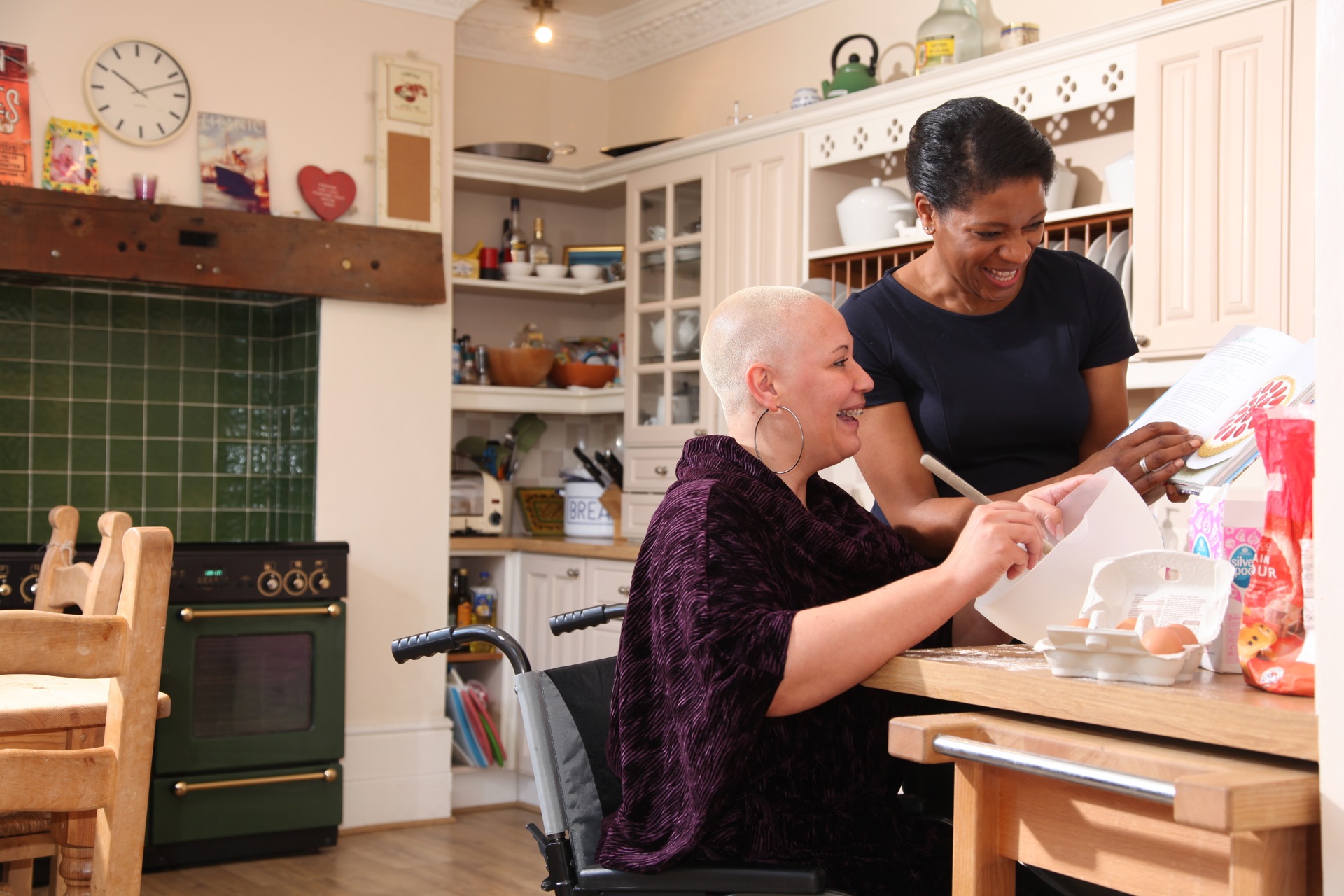
Home-based palliative care allows your family to focus on connection instead of coordination. With professional CareGivers managing your loved one’s daily care needs, you can spend more meaningful time together, whether that’s sitting in the garden or listening to music.

How does palliative care support your family and your loved one’s emotional well-being?
When someone you love is diagnosed with a serious illness, it can be overwhelming — not just for them, but for you and your family too. You may feel unsure about what to expect physically and emotionally, and that uncertainty can wear you down. At the same time, you're trying to stay strong and supportive, which can make it even harder to manage your own emotions.
That’s why, at Right At Home Central London, we believe that emotional support is also important in palliative care in Central London. When care addresses both your loved one’s physical comfort and emotional needs, it helps maintain quality of life throughout this stage. Our compassionate CareGivers provide reassurance and companionship, as well as a listening ear, offering support to your loved one and the whole family.
With the right support in place, you and your loved one can focus on shared moments and honest conversations, creating meaningful memories without the weight of managing care alone.
Find compassionate palliative care at home in Central London
Here at Right at Home Central London, you will find dependable, respectful palliative care delivered by our trained and compassionate CareGivers. To learn more, call 020 3084 7333 or request a callback to arrange an in-home visit and discuss how we can support your family.